
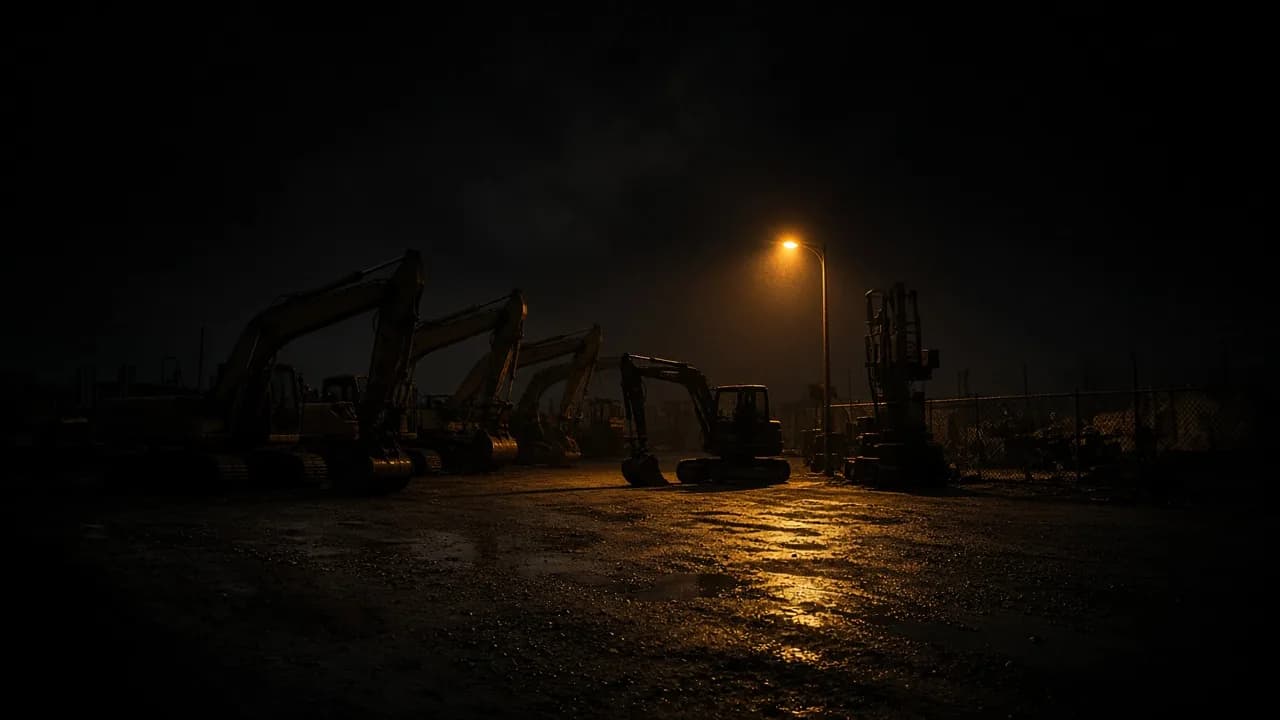
Availability that is not a guess
The calendar records what is out, what is due back, what is booked in for service and what is already reserved. A quote never offers a machine that cannot actually go.
Faster bookings without inventory conflicts. Timber reads the request, checks which units are genuinely free for the whole rental window, builds the package with the attachments and transport that belong with the machine, holds the unit on the calendar, and takes the deposit before it leaves the yard.
Yard availability · week of 14 Oct
Checked before the quote is sent
CAT 259D3 · Skid steer
Free Wednesday to Friday
JLG 1930ES · Scissor lift
In for service Wednesday and Thursday
Kubota U55 · Excavator
Conflict flagged on Friday
Genie S-60 · Boom lift
Reserved Tuesday to Saturday
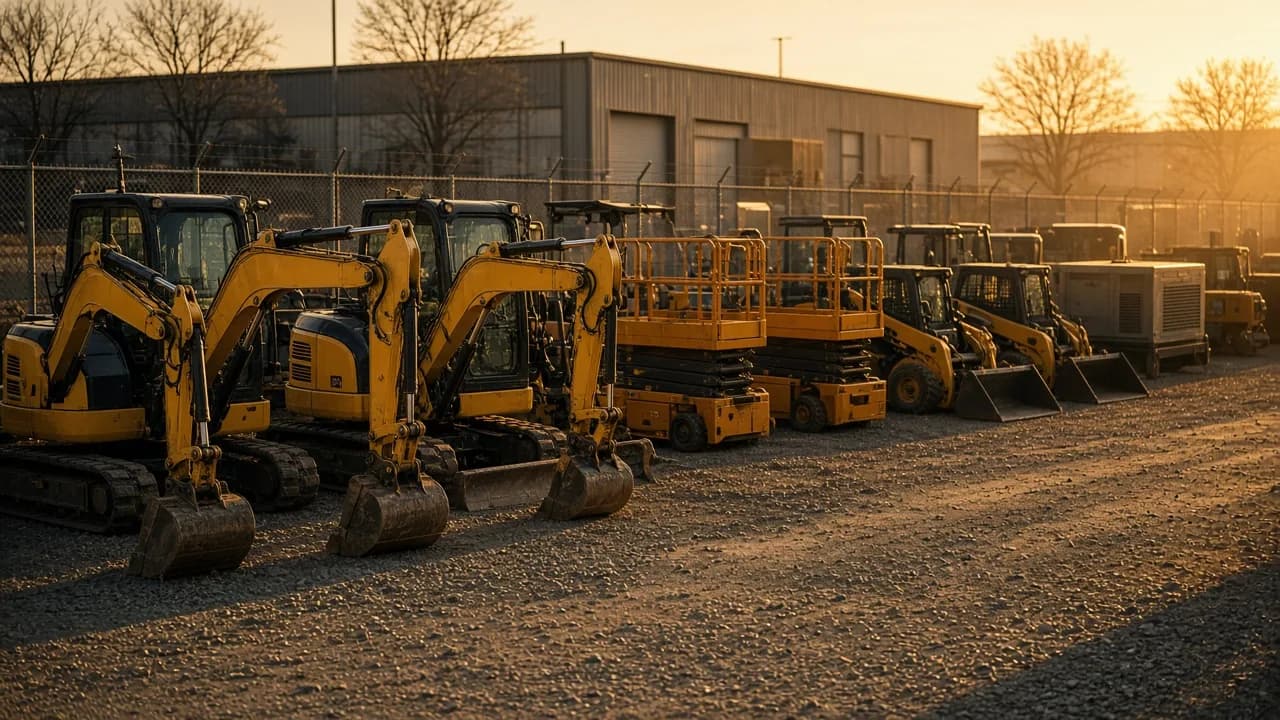
Available
Every quote is checked against the calendar before it is sent
Packages
Attachments, transport and consumables are quoted with the machine
Paid
The deposit and the rental are collected when the reservation is made
Customers do not choose a rental yard because the day rate is four dollars lower. They choose the yard that could tell them accurately, at seven in the morning, that the machine would be on site by ten.
0 in 6
reservations in a yard run from a whiteboard end in a substitution, a sub-rental or an apology call. Every one of them felt like a fast booking at the counter.
The board says the skid steer is out until Thursday, the driver knows it is coming back on Tuesday, and the counter quotes Wednesday. One of those three answers is about to be wrong in front of a customer.
Two reservations against one unit, and the second customer already has a crew standing on a job site. You either pay sub-rental rates to cover it or you lose the account.
Buckets, breakers, trailers, fuel, the damage waiver and transport in both directions get sold one at a time from memory, so half of them never reach the ticket.
The unit leaves on a promise because the counter was busy. You are then chasing a card for equipment that is already working in another county.
Timber does not drive the truck and it does not inspect the machine. It removes the twenty minutes between a customer asking for equipment and a reservation that is safe to promise.
A phone call, a web form or a text message with a photograph of what the customer needs all become the same thing: a machine class and a date range. Timber then asks what a counter person asks — site access, operator or bare rental, delivery or collection, and how long the job really runs.
Timber checks the calendar across the whole window, including the day the unit is due back and any day it is booked in for service, and offers only what is genuinely free. Attachments, consumables, the damage waiver and transport are quoted as real lines with the machine rather than remembered at the counter.
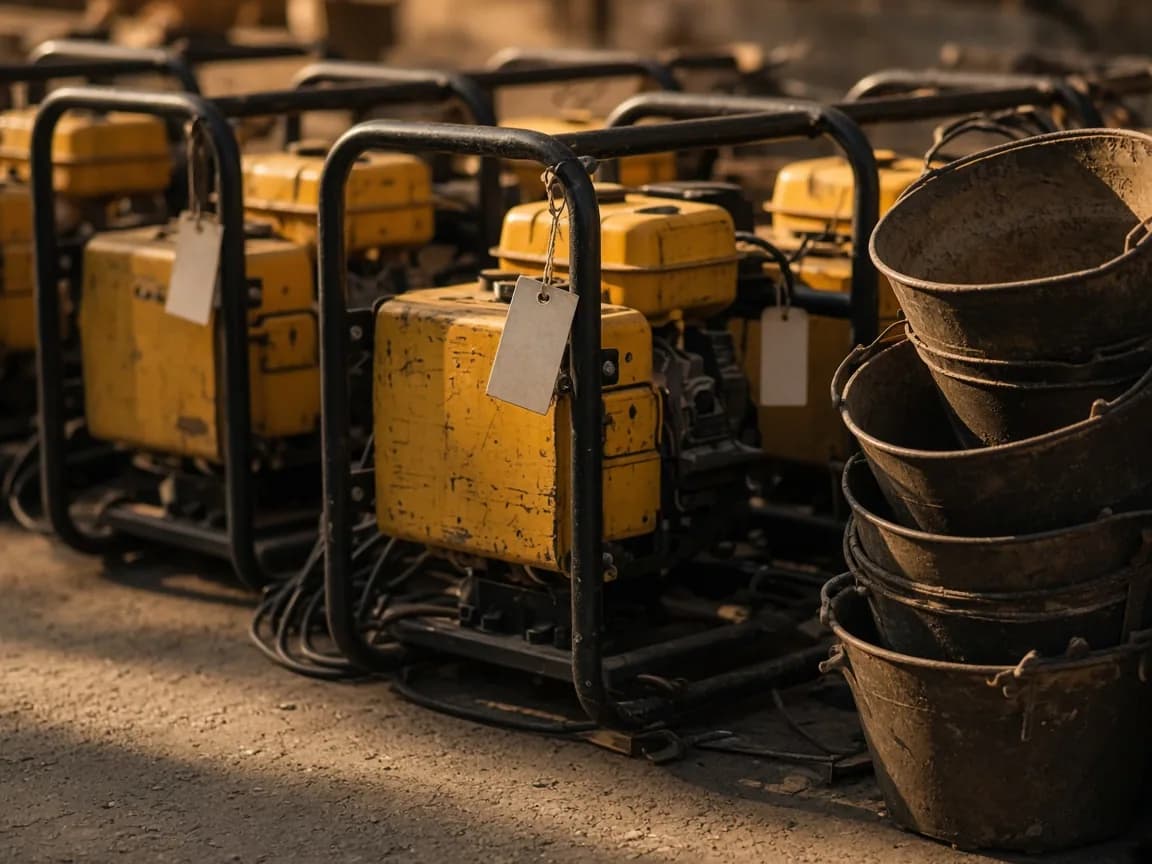
The quote becomes a reservation that holds that specific unit on the calendar. The deposit and the rental are collected before the machine leaves the yard, and the contract, the delivery window and the return reminder all come from the same record.

The same desk handles a skid steer on a driveway for one day and a six-week aerial package spread across three job sites.
When availability is uncertain — a unit still out with no confirmed return date, or a machine in for service with no release date — Timber says so and offers the substitute instead. It would rather give you a difficult question now than give your customer a booking that fails on Thursday.
Stays with you
Daily, weekly and monthly rates, account pricing and how far you will discount are yours. Timber quotes from your rate book and shows every line, and it will not invent a rate to win a call.
Stays with you
Your yard inspects the machine out and back in. Timber keeps the photographs and the checkout notes on the reservation, so a damage claim is a file rather than an argument.
Stays with you
Timber flags the overdue account and drafts the hold. Deciding that a particular contractor still leaves with a machine is a call you make.
The calendar records what is out, what is due back, what is booked in for service and what is already reserved. A quote never offers a machine that cannot actually go.
Overlapping windows, late returns and maintenance holds are flagged while you are still on the call, rather than after the customer has planned a crew around the date.
The attachments, consumables, damage waiver and transport that belong with a machine class are proposed every time, so the margin no longer depends on who is working the counter.
The card is held, the deposit taken and the rental invoiced on that account's terms. The machine leaves the yard against a payment rather than a promise.
The day before a unit is due, Timber drafts the return reminder. When a customer asks for another week, it checks the next reservation before telling you whether the extension is possible.
You can see which classes are booked solid and which ones sat in the yard all quarter, in time to sub-rent, sell the idle machines or buy a second one.
Equipment rental is an availability business that is usually run as a sales business. Customers rarely choose a yard because the day rate is a few dollars lower. They choose the yard that could tell them accurately, when they rang at seven in the morning, that the machine would be on site by ten.
That accuracy is expensive to produce, because the information is spread across a whiteboard, a spreadsheet, a driver's memory and a service bay that nobody checks. So the counter quotes optimistically, the reservation is made, and three days later someone is making an apology call and paying sub-rental rates to keep the customer.
Timber works on the request itself. It reads what the customer asked for, resolves it to a machine class and a date window, and checks the calendar honestly, including the return day, the service hold and the reservation that has not started yet. It builds the package with the attachments and transport that belong with the machine, holds the unit, and takes the deposit before the gate opens. The booking is faster, and it is also real.
A faster booking is only worth something if the booking holds.
Send us a real request you took this week — the machine, the dates and the site — together with your rate sheet. We will show you the package Timber builds from it, what it flags as a conflict, and the reservation it would have held. If your fleet does not fit, we will tell you.
Or write ivan@felicita.group
Still deciding? Book a demo and we will go through your own workflow live — your documents, your rates, your schedule.
Availability is calculated across the whole requested window against existing reservations, units still out, expected return dates and maintenance holds. If a machine is due back on the morning the rental starts, Timber says so rather than quietly promising it.
Other work Timber runs
Requests come in, and available packages and paid reservations go out, with the unit actually held on the calendar for the dates you promised.
No credit card to start. Cancel any time.