
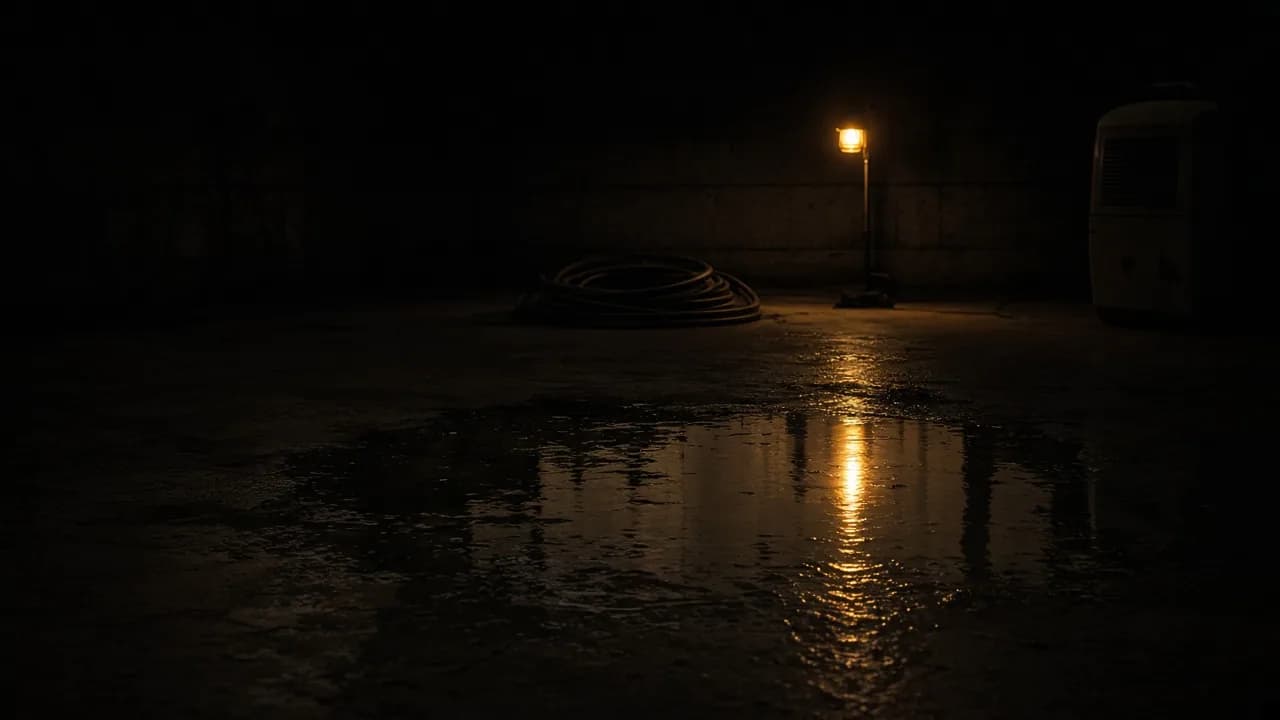
Damage read from the photos
Timber reads the uploaded photo set and turns the rooms, the water line and the contents notes into quote inputs, instead of a voicemail you replay at 11pm.
Category 2 and 3 losses are decided on the first night. Timber reads the photos the homeowner sent, prices extraction and drying against your local rates, books the crew, and keeps the insurance file up to date — without a second person sitting at the desk after hours.
Photos
The scope comes from the pictures the homeowner already sent.
Rates
Equipment and labour are priced against researched local rates.
File
Moisture notes, quotes and invoices stay on the same job record.
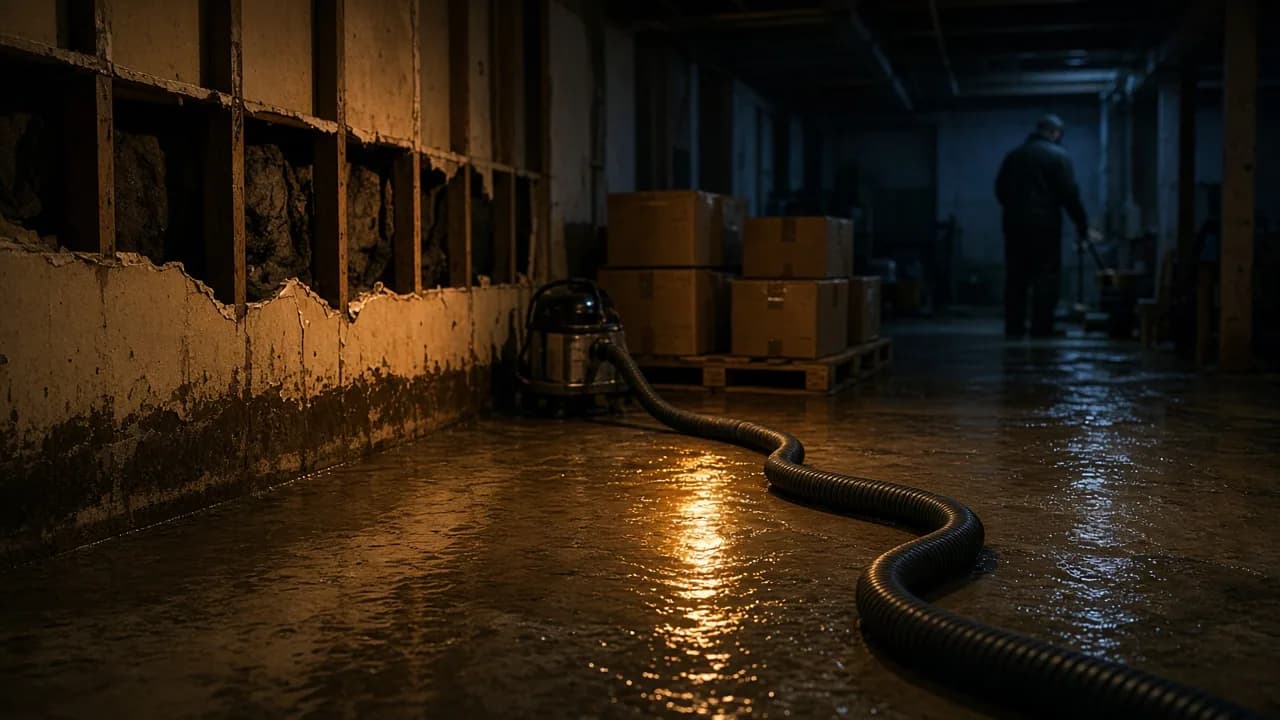
Water keeps moving through the building while the office works out what the photos showed. Timber does that reading as soon as the pictures arrive, so the quote and the crew booking happen on the same evening as the call.
The homeowner texts eleven pictures. Timber reads the standing water, the affected rooms and the likely water category from them.
Source of the water, hours wet, floor types, access and whether this is insurance or cash-pay — the answers that change the number.
Extraction hours, air movers, dehumidifiers and after-hours labour, priced against researched local rates.
The technician is booked, the customer has been texted, and the authorisation form is drafted and waiting for a signature.
The water is already in the building, and the office is still asking for a callback, a sketch, and a rate that somebody has to work out from memory.
The homeowner has already sent pictures of the basement. Someone still has to download them, label which room is which, and read them before a number exists.
Extraction hours, air movers and dehumidifiers get priced from whatever the last job cost, and that job is filed somewhere else.
Authorisation forms, equipment logs and moisture readings live in three different places, so the packet does not exist until the adjuster asks for it.
Who has the dehumidifiers, who is free at 8pm and who already knows the building gets settled by message while the carpet is still wet.
Timber does not replace the technician with a moisture meter. It reads what the photos already show, prices the work from your rates, and keeps the job record accurate while the equipment runs.
Send the basement photos or a walkthrough clip. Timber identifies standing water, the affected rooms and the likely category, then asks the five questions that change the number: source, hours wet, floor types, access, and insurance or cash-pay.
Extraction hours, air movers, dehumidifiers and labour are priced from researched local rates rather than an estimate. Every line stays editable, so the quote reads the way your own office writes one.
Book the technician, text the customer, and log the equipment against the job. Follow-ups chase the missing photos or the signed authorisation, and a checkpoint lets you undo an edit that was wrong.
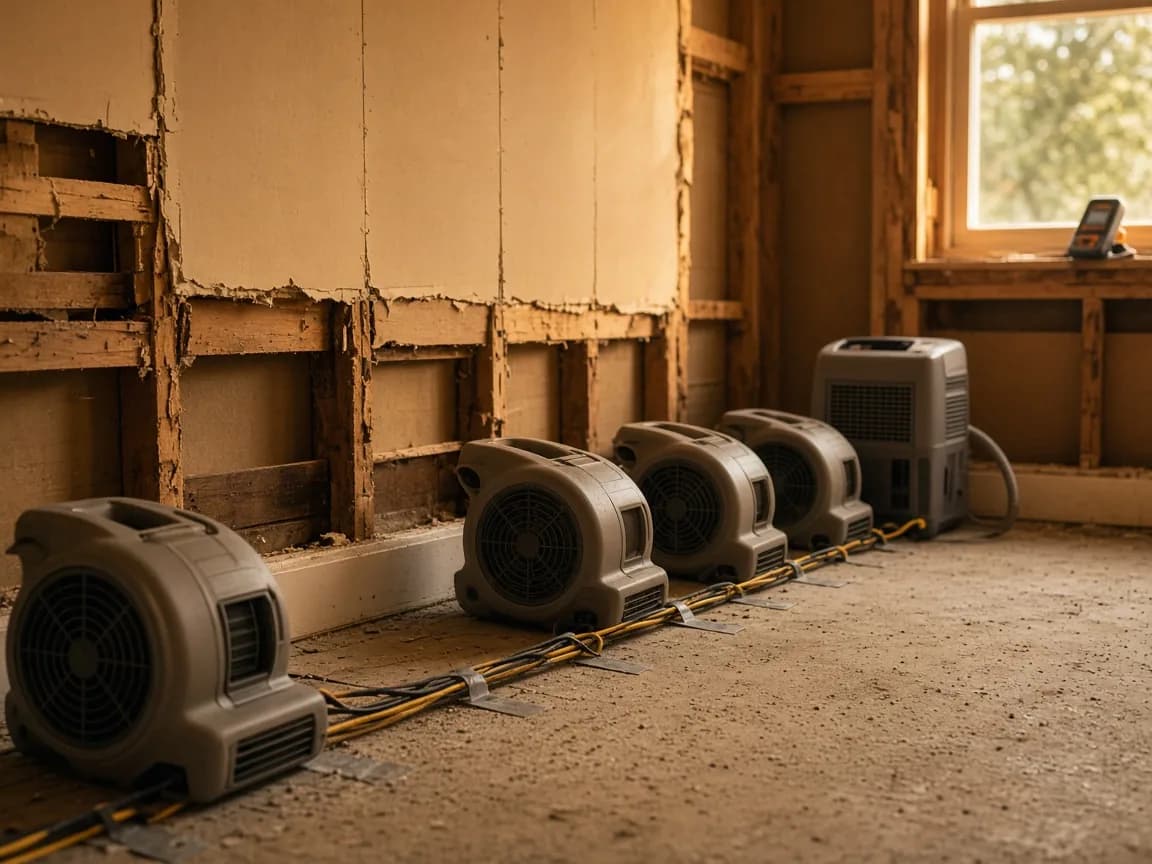
Equipment on the job
Every air mover and dehumidifier is logged against the project, so the invoice raised at pull-out matches the kit that was actually running.
The same desk handles a burst pipe at 2am and a three-day Category 3 loss that needs a full carrier file.
Email stays in your drafts until you send it, and Timber saves the state of a quote before it changes anything. If the scope was written as a clean-water loss and the photos turn out to be a sewage backup, you can roll the quote back and price it again.
Stays with you
The technician still walks the building with a meter. Timber records those numbers on the job, and it will not invent a drying log from a dark photo.
Stays with you
You still log in yourself. Timber assembles the packet and drafts the email that goes with it; the portal credentials stay with your office.
Stays with you
A quote does not leave until you send it. Checkpoints undo an edit that was wrong, and automation is a permission you grant rather than a surprise.
Timber reads the uploaded photo set and turns the rooms, the water line and the contents notes into quote inputs, instead of a voicemail you replay at 11pm.
Before it builds the quote, Timber looks up extraction and equipment rates in the job's city, so the total is checked against real restoration ranges.
Scope, photos and equipment logs stay on the project, so the carrier file is a record you can hand over rather than something you assemble when the adjuster calls.
Timber knows who has the dehumidifiers, who is free at 8pm and who has already been to the building. You book from the conversation, and technicians update the job by text message.
Reminders about the authorisation, the missing photos and whether drying is still running are written for you to send. A schedule can chase a quote that has been sitting unsigned.
A skill holds your after-hours multiplier, your minimum charges and rules such as always adding containment on a Category 3, so the next job starts from those rather than a blank form.
Water-damage companies do not lose jobs because they cannot extract water. They lose them because the first night is a pile of loose pieces: photos in a message thread, a rate somebody has to work out, a technician who is already on another loss, and an authorisation form still sitting in a word processor. Timber works through that pile.
You send the basement photos. Timber reads the standing water, the affected rooms, and whether the water looks clean or contaminated. It asks about the source, the hours wet, the floor types, the access, and whether the job is insurance or cash-pay. Then it prices extraction, air movers, dehumidifiers and labour against researched local rates, or against the rate book you saved in a skill. You edit the lines and send the quote.
While the equipment is running, the job record is the file. Technicians text their hours and meter readings. Equipment stays logged to the project. Reminders about a signed authorisation or a missing photo are drafted for you rather than sent quietly. When the adjuster calls, the packet already exists — photos, scope, quote and what happened on site — instead of being rebuilt from three group chats.
Still deciding? Book a demo and we will go through your own workflow live — your documents, your rates, your schedule.
No. It drafts from the photos and from what you tell it. Readings and daily drying logs still come from the field, and Timber keeps them on the job so the file is complete.
Other work Timber runs
Send it the loss photos and it returns a priced dry-out. Dispatch and the insurance file stay in the same conversation.
No credit card to start. Cancel any time.