

A takeoff you can check
Plans and photos become a board count you can edit line by line. Timber does not pretend that a laser measurement was taken from a photograph.
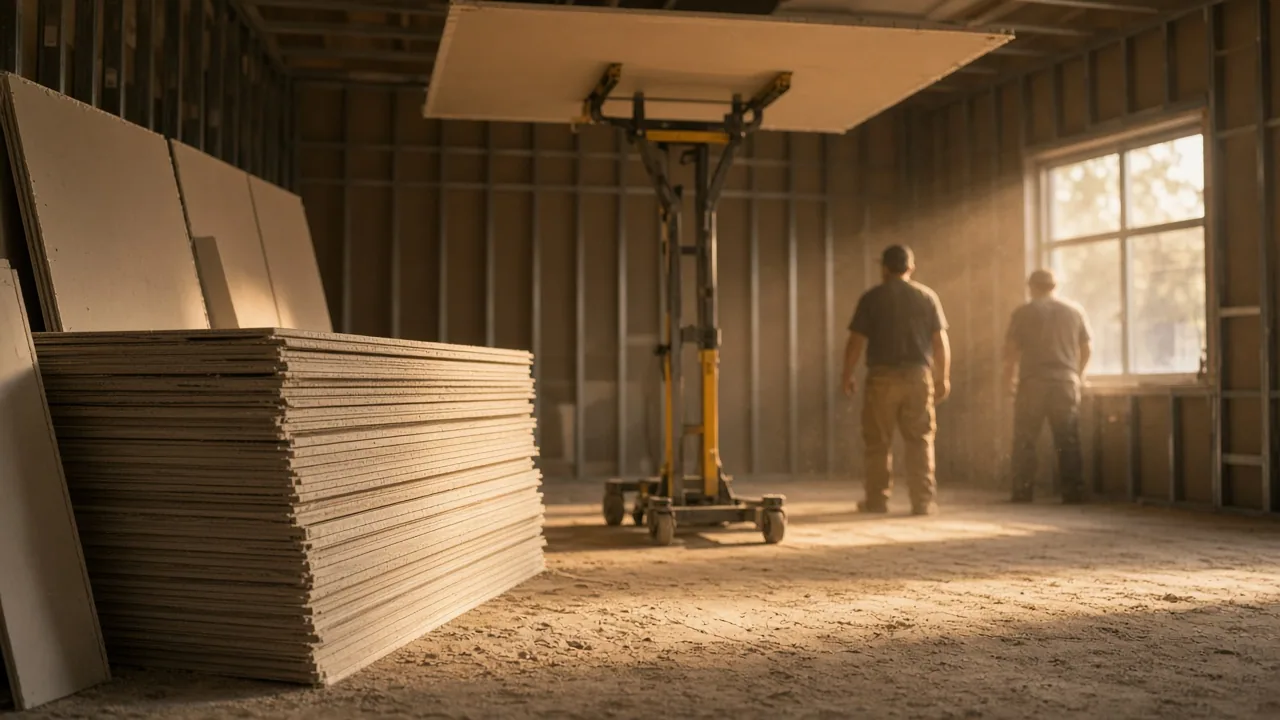
Water cuts, board, taping and paint sit in the estimate pile for days. Timber reads the room from photos or a plan, prices hanging and finishing against your own book or researched local rates, books the crew, and drafts the invoice when they text that the last coat is on.
Sqft
Square footage estimated from a photo or a plan, which you then confirm.
Tiers
Level 4 or level 5 finish, fire-rated board and moisture-resistant board.
Crew
Hanging today and taping tomorrow, booked as separate days.
Hanging, drying, taping, sanding and painting are separate days with separate labour. Booking them as one block is how a company loses a Friday and delays an invoice.
Day 1
The board goes on the wall and the sheets are counted as they are hung.
Day 2
The first coat goes on, along with the corner bead and the joints that matter.
Day 3
Drying is a real day on the calendar rather than an assumption.
Day 4
The finish is sanded to level 4 or level 5, and that choice is priced as a choice.
Day 5
The last coat closes the job and releases the invoice.
The hole is already in the wall. The number is still written from memory, and hanging and taping are still one block on the calendar.
Photos and a floor plan sit in an inbox, and the board count waits for someone with a scale ruler and a free afternoon.
Level 4 or level 5, matching the texture, and whether paint is included get discussed after the quote has gone out, usually during the snagging.
Containment and demolition belong on the same ticket as the board. When they are left off the quote, the company absorbs them.
Hanging, drying, taping, sanding and painting turn into the word “drywall”. The customer hears one day, and the crew needs four.
This is a starting takeoff rather than a laser measurement. You confirm the square footage before the quote leaves, and insurance work still gets a field measure.
Your price book
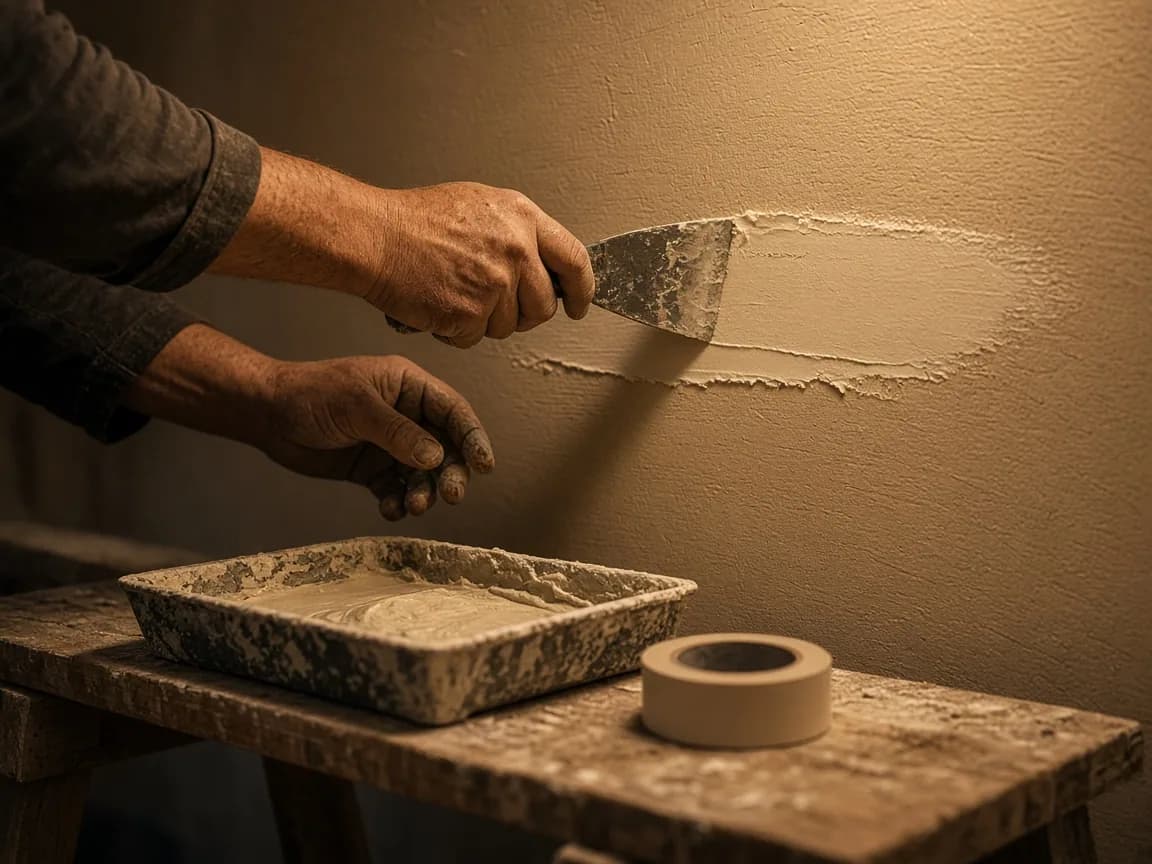
Per-square-foot rates for hanging, taping and painting are written once. Change the skill and the next quote follows it, with moisture-resistant and fire-rated board as lines rather than a Saturday surprise.
Send photos of the cut-out, a floor plan or a walkthrough clip. Timber estimates the board count and the finish level, then asks about ceiling height, texture match and whether paint is in scope.
Material and labour come from the rates in your skill or from researched local rates. Moisture-resistant and fire-rated board are line items on the quote rather than a surprise on the invoice.
The crew goes on the calendar and texts their progress. You send the customer the update that says sanding happens tomorrow, and the invoice is drafted when they report the paint is on.
Residential patches, flood cuts and commercial corridors — the assembly is stored in a skill you write.
Plans and photos become a board count you can edit line by line. Timber does not pretend that a laser measurement was taken from a photograph.
A skill stores your per-square-foot rates for hanging, taping and painting. Change the skill and the next quote follows it.
When the job started as a flood cut, restoration lines such as containment and demolition sit next to the drywall on one quote.
Hanging, drying, taping, sanding and painting go on the calendar as real days instead of one block called drywall.
The crew texts how many sheets they used and the job costing updates, so you can see which jobs ate into the truck stock.
When the customer reports a cracked corner, Timber drafts the callback and books it against the same project.
Stays with you
Square footage from a photo is a starting point that you confirm. Insurance work still gets a field measure.
Stays with you
Timber asks which texture the job needs and prices the match. It will not decide that a wall is orange peel from a dark photo.
Stays with you
Commercial metal stud build-ups live in a skill you write. Timber will not assume residential half-inch board on a specified job.
The estimate pile is where drywall companies leave money. A water cut needs demolition, moisture-resistant board, hanging, taping and paint, all priced, sequenced and explained. A number written from memory is how you win the job and lose the week.
Timber reads the photos or the plan and drafts a board count. It asks about the finish level, the texture, the ceiling height and whether paint is included. Your skill holds the per-square-foot rates. Water-loss extras stay on the same quote as the restoration file, so you are not writing two tickets for one hole.
The calendar gets real days. The crew texts the sheets they hung and the coats they put on. The customer gets the message saying that sanding is tomorrow, drafted for you to send. The invoice waits for the last coat rather than for somebody's memory on Friday.
Still deciding? Book a demo and we will go through your own workflow live — your documents, your rates, your schedule.
It is a starting takeoff. You confirm it before the quote leaves, and for insurance work a field measure still decides the number.
Other work Timber runs
Send the photos and Timber returns a takeoff you can edit. Hanging, taping and painting are booked as real days, and the invoice goes out on the last coat.
No credit card to start. Cancel any time.