
Intake that matches the call
A no-cool call, a no-heat call and an install need different information. Timber asks the questions that match the call type, so dispatch does not send a helper to a job that needs refrigerant recovery.
Nameplate read from the photo
Model
RRNL-B048JK
Nominal
4 ton
Refrigerant
R-410A
Age
14 years
Still to confirm
Two-person window
Tue 6:30am · crane 9:00
No-cool calls and changeouts sit in the quote queue for days. Timber reads the equipment nameplate from a photo, checks local condenser and labour rates, books the crew together with a crane window, and writes the maintenance follow-up, so you can stay on the roof.
Plate
Tonnage, model and refrigerant read off a photo of the nameplate.
Parts
The equipment is priced before the technician leaves the site.
Two-man
The crew and the crane are booked in the same conversation.
The shape of your year
Your call volume has two peaks and two quiet seasons.
Staffing for July means paying for those people in April as well. Timber absorbs the peak on the office side — intake, quoting and dispatch — so you are not carrying a coordinator through all twelve months.
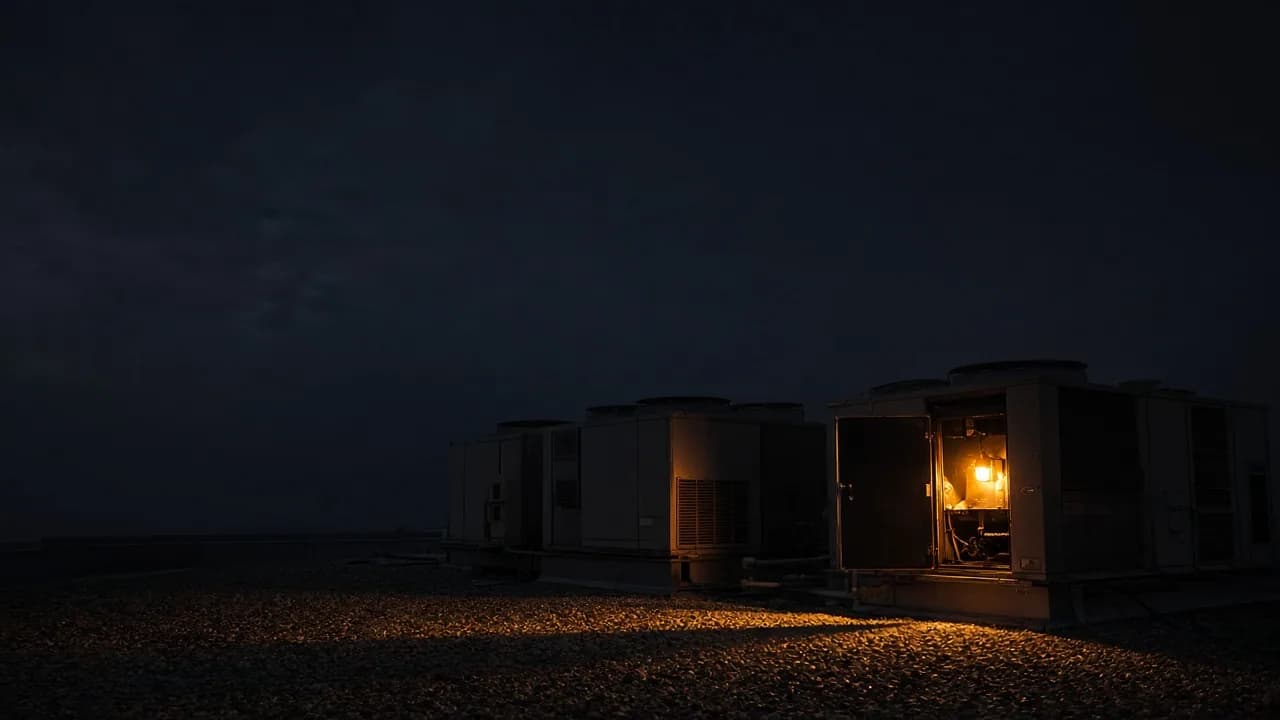
The unit has already failed. The office is still waiting on a model number, a price, and two people who can be on the roof on Tuesday.
Somebody has to read the tonnage and refrigerant off the picture before the parts supplier can be called, and that photo is sitting in a message thread.
The first visit is a look at the unit. The quote waits until someone prices the condenser, and the customer rings three other companies in the meantime.
The crane, the helper, the licensed technician and the weather window get worked out after the sale rather than as part of it.
The agreement is mentioned in the truck and never written down, and the spring and autumn reminders live in a spreadsheet nobody opens.
Timber does not diagnose a failed compressor from a blurry nameplate. It turns the plate, the access notes and your own rate book into a quote you can send before the technician is off the roof.
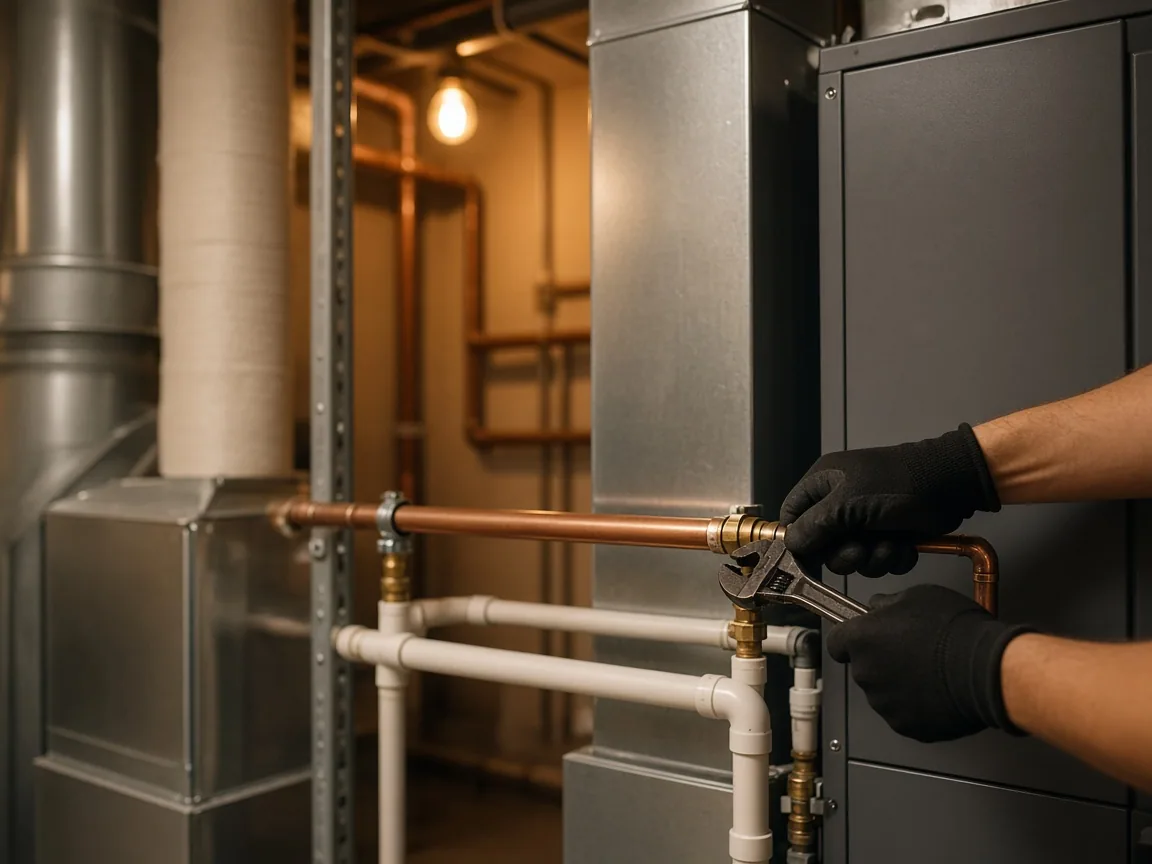
Send the rooftop or closet photos. Timber pulls what it can from the nameplate and asks the questions that change the ticket: refrigerant, access, whether a crane is needed, warranty status, and same-day or scheduled.
The condenser, refrigerant recovery, the pad and labour are priced against researched rates. The maintenance agreement gets its own line, so it is quoted rather than mentioned in the truck.
Two technicians, a crane slot and a text to the customer. After the job the invoice is drafted and waits for your approval, and a skill can remind the customer next season.
A skill stores the price book you already use. Tell Timber to use the book, or to charge time and materials after hours, and it will. It does not invent a number you cannot explain on the driveway.
The same operator handles a no-cool call at 6pm and a packaged rooftop unit that needs a crane.
A no-cool call, a no-heat call and an install need different information. Timber asks the questions that match the call type, so dispatch does not send a helper to a job that needs refrigerant recovery.
Reading the model and size from the photo removes the “we will order it and come back”. The quote includes the actual part rather than a placeholder.
Timber sends the spring and autumn reminders from a skill you wrote, using your wording and your price list rather than a generic mailing.
Timber checks who is already working on that side of town and who is licensed for the work. You book from the conversation, and technicians confirm by text message.
Labour, parts and crane hire stay on the job, so you can see which changeouts made money and which ones were underbid.
Enquiries that arrive overnight get a qualifying reply drafted for you to send, and the lead is in the CRM before the morning meeting.
Stays with you
The technician still confirms which part failed. Timber will not decide that a capacitor is dead from a dark photo of a closet.
Stays with you
Timber adds the line items and drafts the explanation for the customer. Filing with the authority stays with your office.
Stays with you
Timber proposes a licensed pair. You still choose the people, and a checkpoint undoes an assignment that was wrong.
Most HVAC offices do not need another dispatch board. They need the nameplate read, the condenser priced, and two names who can be on that roof with a crane — written down before the customer rings the next company in the search results.
Timber takes the rooftop or closet photos, reads what the nameplate will give, and asks the questions that change the ticket. Recovery, the pad, disposal and labour are priced from your own book or from researched local rates. The maintenance agreement appears as a line on the quote instead of as something the technician forgets to mention.
When you approve it, the crew receives the job by text message and replies with their hours and the parts they used. The invoice is drafted and waits for you. A schedule can write next spring's reminder in the wording you already use, rather than as a marketing newsletter.
Still deciding? Book a demo and we will go through your own workflow live — your documents, your rates, your schedule.
No. It reads what the photo shows and asks you for the rest. It will not decide that a capacitor has failed; the technician still confirms the fault on site.
Other work Timber runs
Send it the rooftop photos and it returns a priced changeout and a two-person window, without adding a coordinator to the payroll.
No credit card to start. Cancel any time.